
- →What the Grades Mean
- →When to Use C16
- →When to Use C24
- →Always Follow the Specification
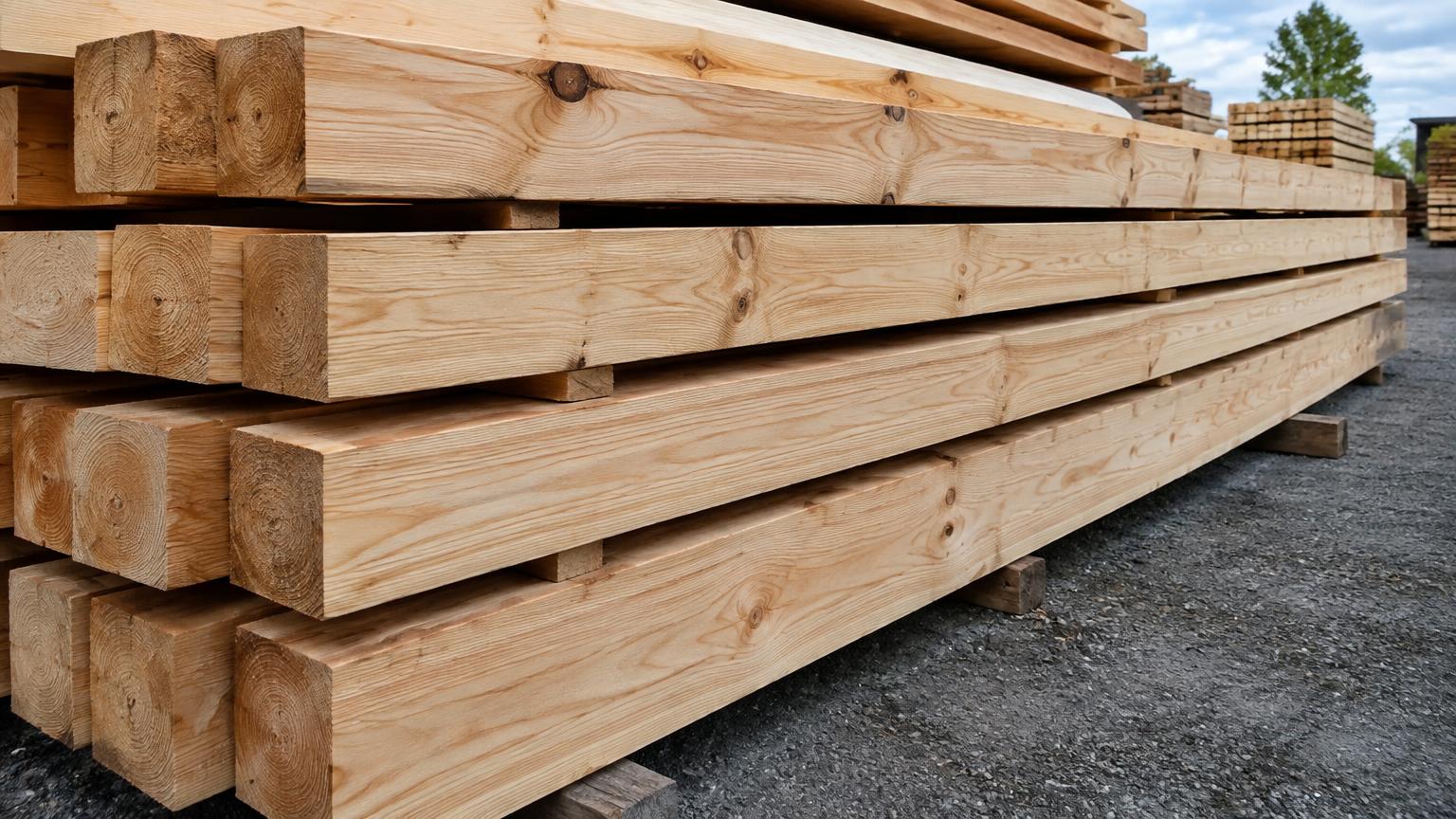
If you've bought structural timber, you'll have seen it stamped C16 or C24. These are strength classes, and choosing the right one matters.
What the Grades Mean
The "C" stands for coniferous (softwood) and the number relates to its bending strength.
- C16: the standard general structural grade, widely used for stud walls, noggins and many joists and rafters.
- C24: a stronger, higher-quality grade with fewer defects. It can span further or carry more load at the same size.
When to Use C16
- Internal stud partitions
- Many standard floor joists and rafters where the span tables allow
- General framing
When to Use C24
- Longer spans or heavier loads
- Where an engineer or span table specifies it
- Exposed or premium work where straighter timber is valued
Always Follow the Specification
Joist and rafter sizes must be taken from approved span tables or an engineer's calculation. If drawings say C24, don't substitute C16.
Treated or Untreated?
Treated timber is recommended where there is a risk of damp or decay. Check the treatment type on the product page.
Order With Materials Store Online
Materials Store Online supplies more than 2,200 building materials to trade customers and homeowners across the UK, with scheduled delivery straight to site. Browse the catalogue, apply for a trade account, or upload a like-for-like quote and we will aim to beat it by 5%. Always check the product page specification, and confirm structural or regulated work with a qualified professional or your Building Control officer before ordering.
Shop Timber
Talk to our procurement team or open a trade account today — and start sourcing building materials online with sharper pricing, nationwide delivery and dedicated project support.
Shop Timber